
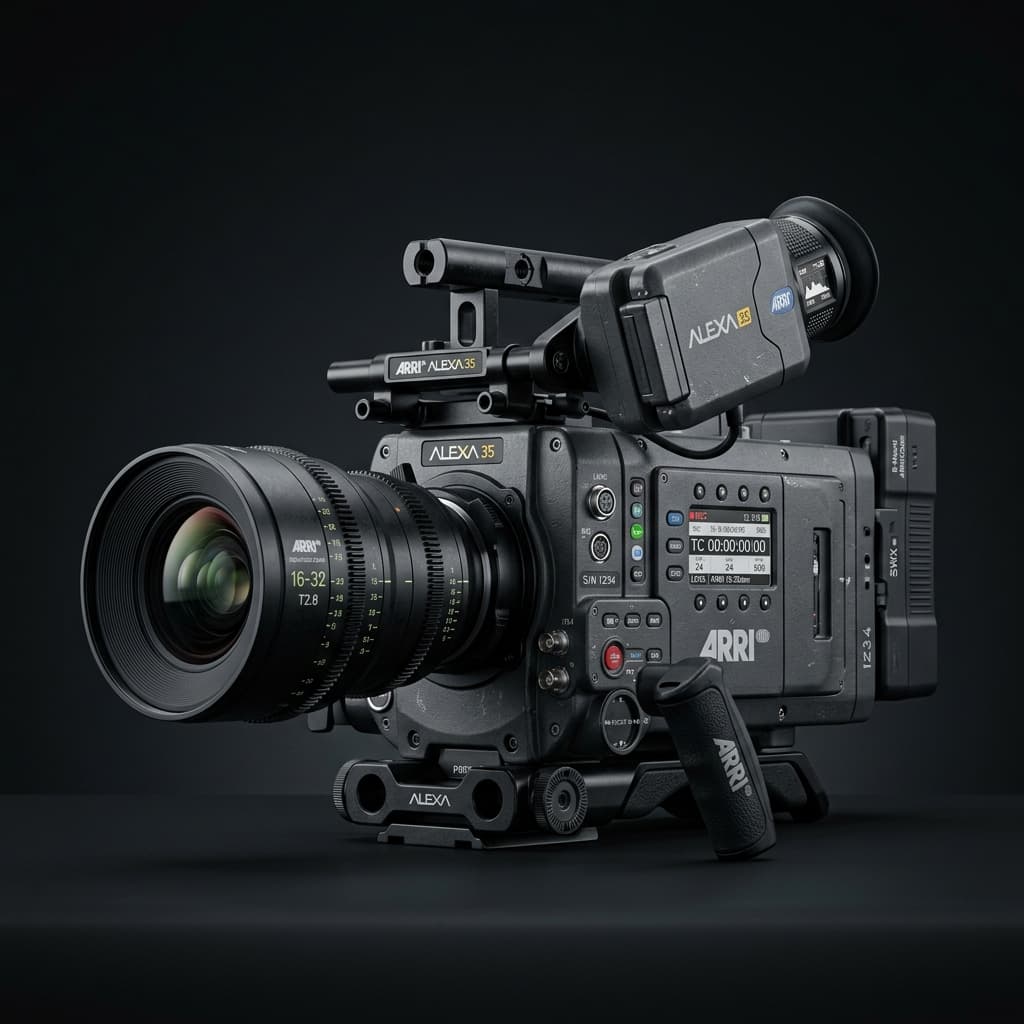
ARRI
ALEXA 35
Cinema Camera
Create · 003
The founding discipline. Where every piece begins.
Puzzle Media Production has been making film since 2017 — commercials, television, and campaigns produced across Egypt and Saudi Arabia. Everything below happens under one roof, in one continuous process, with the same people from the first argument about the idea to the final broadcast master.
Six phases — scroll to run the process
Phase 01
DevelopmentEvery production starts as a claim: what the audience should feel, and what should be true for the business once they have felt it.
Development is where that claim is tested on paper, while changes still cost a conversation instead of a shoot day. We interrogate the brief until the idea is small enough to hold in one sentence and strong enough to survive a budget. Most of what a production gets wrong is decided here, quietly, weeks before anyone books a camera.
Phase output
A script, a treatment, and a figure everyone has agreed to.
The question it answers
Is the idea worth producing?
What the phase consists of
Brief Interrogation
What the work must achieve, and what it is not responsible for.
Audience and Insight
Who is watching, where, and in what state of attention.
Creative Proposition
One idea, expressed clearly enough to be argued with.
Script and Treatment
The film written down before it is expensive to change.
Visual Language
References, palette, lens character, and the grammar of the cut.
Budget Architecture
Where the money creates value on screen, and where it disappears.
Phase 02
Pre-ProductionA calm set is not temperament. It is the visible result of several hundred decisions made in advance by people whose names never appear on screen.
Pre-production converts an approved idea into a plan that a crew of forty can execute without ambiguity. Locations are scouted and cleared. The board is broken down shot by shot, then rebuilt against daylight, permits, and how long a company move actually takes. By the final production meeting there is one document, and everyone is working from it.
Phase output
A locked board, a booked crew, and a schedule that survives contact with the day.
The question it answers
Can this be shot, exactly as designed?
What the phase consists of
Storyboard and Shot List
Every frame drawn, ordered, and timed before it is lit.
Casting and Talent
Sessions, callbacks, contracts, and usage rights.
Location Scouting
Recce, sun path, power, sound, access, and permits.
Production Design
Sets, props, wardrobe, and the world the frame implies.
Crew and Department Heads
The right people booked early, not the available people booked late.
Schedule and Call Sheets
A day built around light, turnaround, and the truth about travel.
Technical Recce
Camera, grip, lighting, and sound walked through on the actual floor.
Insurance and Clearance
Permits, liability, music, and rights resolved before the truck rolls.
Phase 03
ProductionThe shoot is the only irreversible part of the process. Every hour on the floor is an hour that cannot be bought back later, at any price.
On the day, the plan exists so that it can be departed from intelligently. Departments run in parallel: camera and lighting build the frame, sound protects the take, the art department holds continuity, and production keeps the clock honest. We shoot for the edit, not for the monitor — coverage, safeties, and the alternate reading that post will be grateful for at two in the morning.
Phase output
Verified, backed-up footage and sound — with a report that tells post exactly what it has.
The question it answers
Did we capture the film, or only the shot list?
What the phase consists of
Camera and Lensing
ARRI, Sony VENICE, and RED bodies on Signature, Supreme, and Cooke glass.
Lighting and Grip
Key, fill, negative, and the practicals that make a space believable.
Direction and Performance
Blocking, takes, and knowing which one is actually the one.
Location Sound
Boom, radios, wild lines, and room tone captured while it still exists.
Aerial and Motion
DJI Inspire 3 and Mavic 3 Pro, gimbal, dolly, and crane where the move earns it.
Continuity and Script
Eyelines, wardrobe, and props that still match on the eleventh setup.
On-Set Data Management
Offload, checksum, dual backup, and a report before anyone wraps.
Client Village
Live monitoring and approvals taken on the floor, not by email a week later.
Phase 04
Post-ProductionFootage is not a film. The cut is where structure, rhythm, and meaning are discovered — often somewhere other than where the script promised they would be.
Editorial begins with the assembly and works down: the long version that contains everything, then the version that contains only what earns its place. We cut for intent first and duration second, because a thirty-second commercial that says one thing clearly outperforms a thirty-second commercial that says four things quickly. Review cycles are structured and versioned, so feedback converges instead of circling.
Phase output
A picture-locked cut, with every version it needs to spawn already mapped.
The question it answers
Does the cut say one thing, and say it completely?
What the phase consists of
Ingest and Conform
Media organised, synced, and matched to the on-set report.
Assembly and Rough Cut
Structure before polish — the shape of the thing, argued out.
Editorial Refinement
Rhythm, performance selection, and every frame justifying itself.
Motion Graphics and Titles
Type, endframes, and lower thirds built in the brand's own system.
Visual Effects and Clean-Up
Rig removal, comp, screen replacement, and invisible repair.
Versioning Strategy
The hero cut and its cutdowns planned together, not extracted afterwards.
Structured Review
Timecoded notes, numbered versions, and a decision at the end of each round.
Phase 05
FinishingFinishing is the difference between footage that has been edited and an image that looks like it was made on purpose.
Grading is not correction. It is the point where the visual language written in development finally arrives on screen — contrast, skin, and the specific warmth or restraint the idea asked for. Sound is doing at least half the work and is noticed only when it is wrong: dialogue edit, ADR, design, music, and a mix balanced for the room the audience is actually in. Then the technical pass, which nobody sees and everybody depends on.
Phase output
A graded, mixed, broadcast-legal master.
The question it answers
Would this survive a broadcast QC and a phone speaker?
What the phase consists of
Conform and Online
Full-resolution rebuild from original camera negative.
Colour Grading
Primary, secondary, and the look established in development.
Dialogue and ADR
Every line clean, present, and matched across coverage.
Sound Design
The space around the picture, built rather than borrowed.
Music and Licensing
Score or library, cleared for the territories and terms in play.
Final Mix
Stereo and 5.1, levelled for broadcast and for a phone at half volume.
Technical QC
Legal levels, loudness, safe areas, and channel specification.
Phase 06
DeliveryA finished film sitting on a drive has achieved nothing. Delivery is a production discipline, not an administrative afterthought.
Every destination has its own specification, and each one is a way to fail quietly: a broadcaster's loudness standard, a platform's aspect ratio, a client's archive requirement. We deliver the full set — masters, cutdowns, verticals, captions, and stills — in the formats each channel actually accepts, with an archive that can still be reopened in five years. Campaigns produced here have run on MBC, Rotana, DMC, and CBC.
Phase output
Everything the campaign needs, in the format every channel requires.
The question it answers
Can this go live tomorrow, everywhere it needs to be?
What the phase consists of
Broadcast Masters
Channel-specific files built to each broadcaster's delivery spec.
Platform Versions
16:9, 1:1, 4:5, and 9:16 framed deliberately, not cropped in panic.
Cutdowns and Edits
60, 30, 15, and 6 second versions that each still work alone.
Captions and Subtitles
Arabic and English, burned or sidecar, timed to the performance.
Stills and Key Art
Frame grabs and unit photography pulled for campaign use.
Archive and Handover
Organised project files, masters, and rights documentation.
End to end
Most production problems are handover problems: an idea that survives development and dies in the schedule, footage that cannot be cut the way the board promised, a master that fails a broadcaster’s QC on a Friday afternoon. Running all six phases in-house is how those seams are removed.
A script, a treatment, and a figure everyone has agreed to.
Revisit phase 01A locked board, a booked crew, and a schedule that survives contact with the day.
Revisit phase 02Verified, backed-up footage and sound — with a report that tells post exactly what it has.
Revisit phase 03A picture-locked cut, with every version it needs to spawn already mapped.
Revisit phase 04A graded, mixed, broadcast-legal master.
Revisit phase 05Everything the campaign needs, in the format every channel requires.
Revisit phase 06What we make
A thirty-second commercial and a twelve-part television programme are different problems, but they are not different standards. Every format below runs through the same six phases.
Commercials & Branded Content
Advertising films built around one visual idea, produced from creative development through final delivery.
Television & Film
Longer-form work that needs narrative discipline and operational continuity across many shooting days.
Advertising Campaigns
One creative proposition produced across a hero film and every supporting asset it requires.
Corporate & Institutional Films
Brand films, annual reviews, and internal communication made to the same standard as broadcast work.
Digital & Social Content
Vertical, short-form, and platform-native content produced as a system rather than one file at a time.
Documentary & Event Coverage
Multi-camera capture of things that happen once, cut into narrative rather than a record.
Motion Graphics & Animation
Design in motion — titles, endframes, explanatory sequences, and fully animated films.
Post-Production Services
Editorial, colour, sound, and finishing offered independently of our own shoots.
Equipment Vault
Large-format cinema systems and agile hybrid bodies, selected for the demands of each production.
ARRI
Cinema Camera
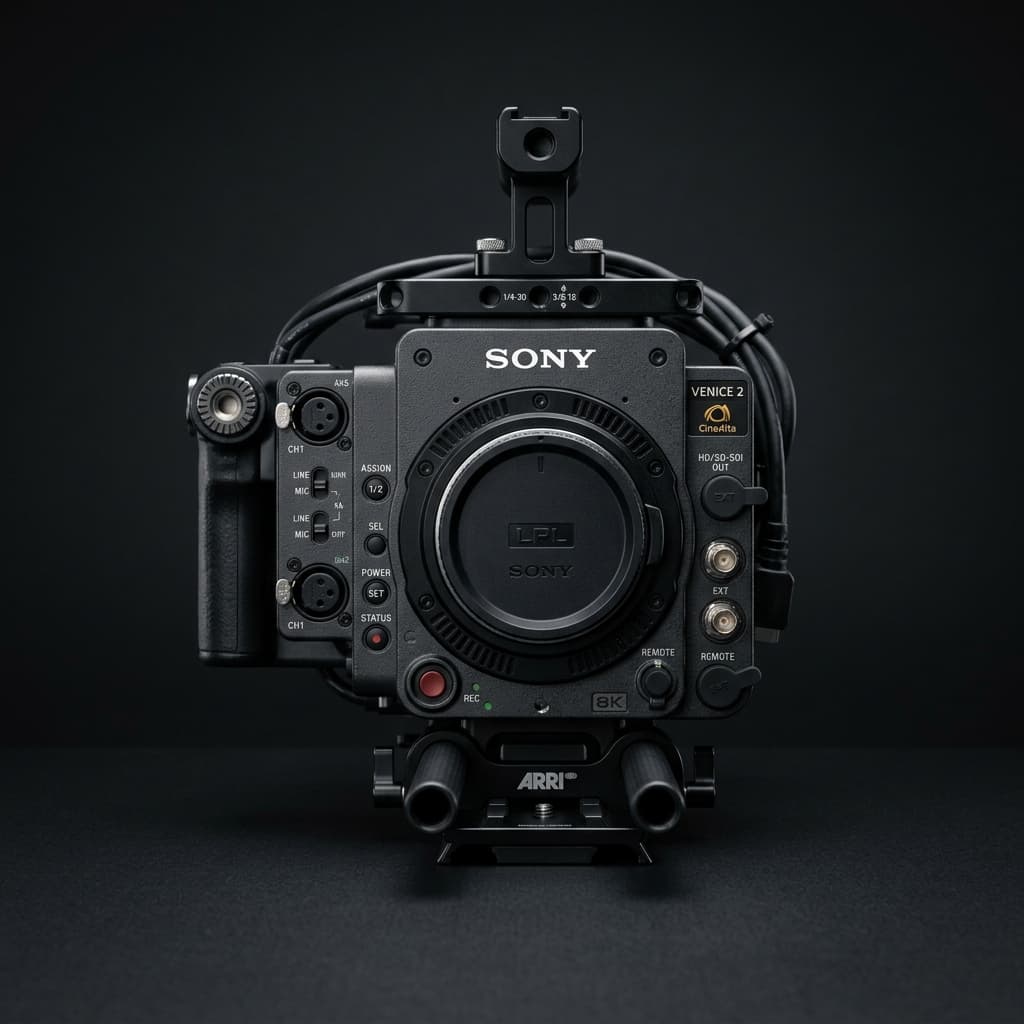
Sony
Cinema Camera
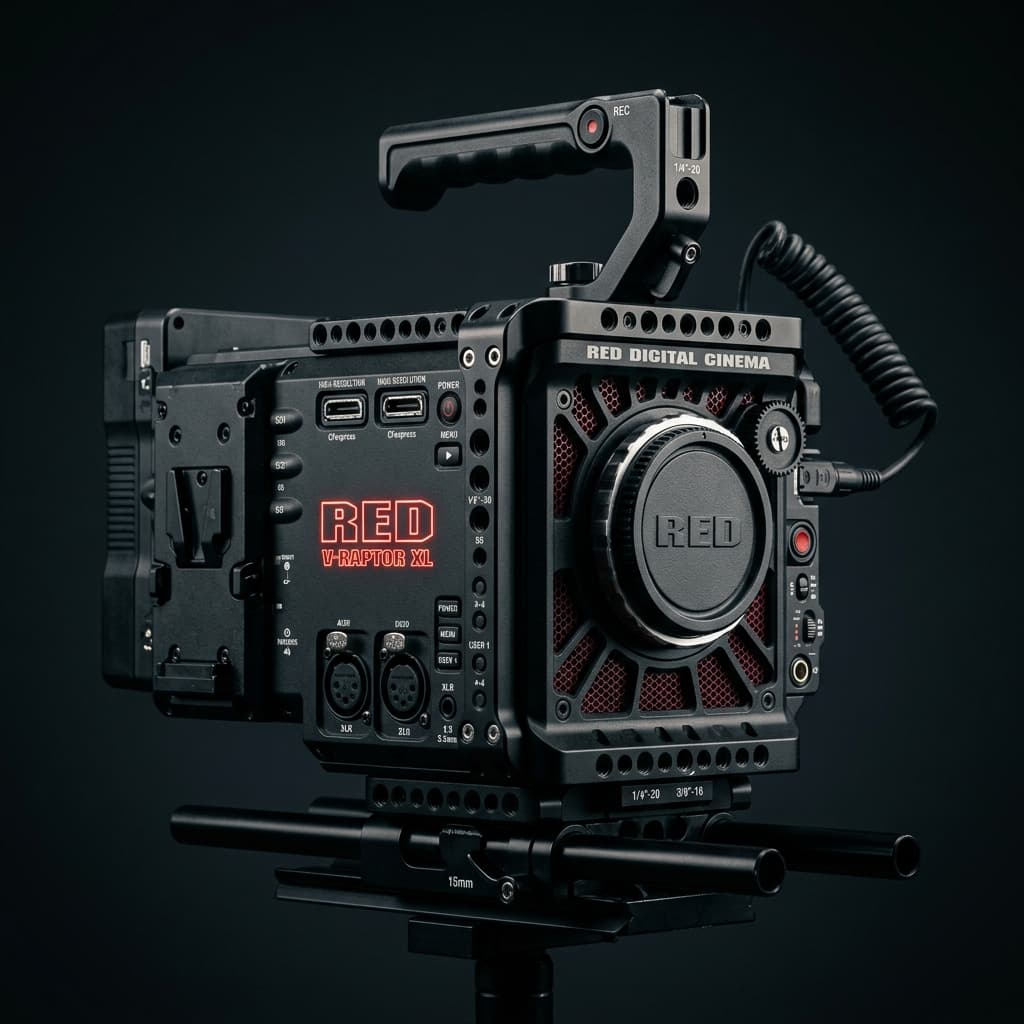
RED
Cinema Camera
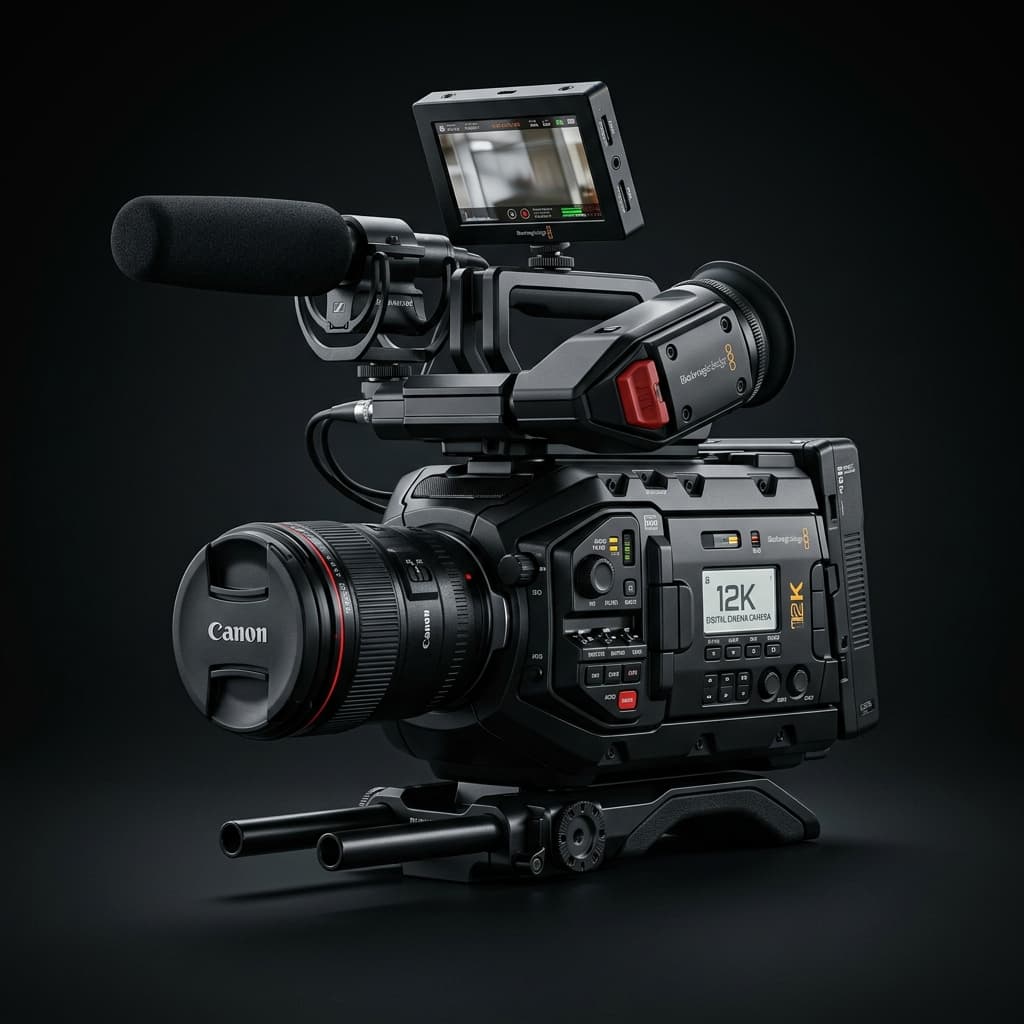
Blackmagic
Cinema Camera
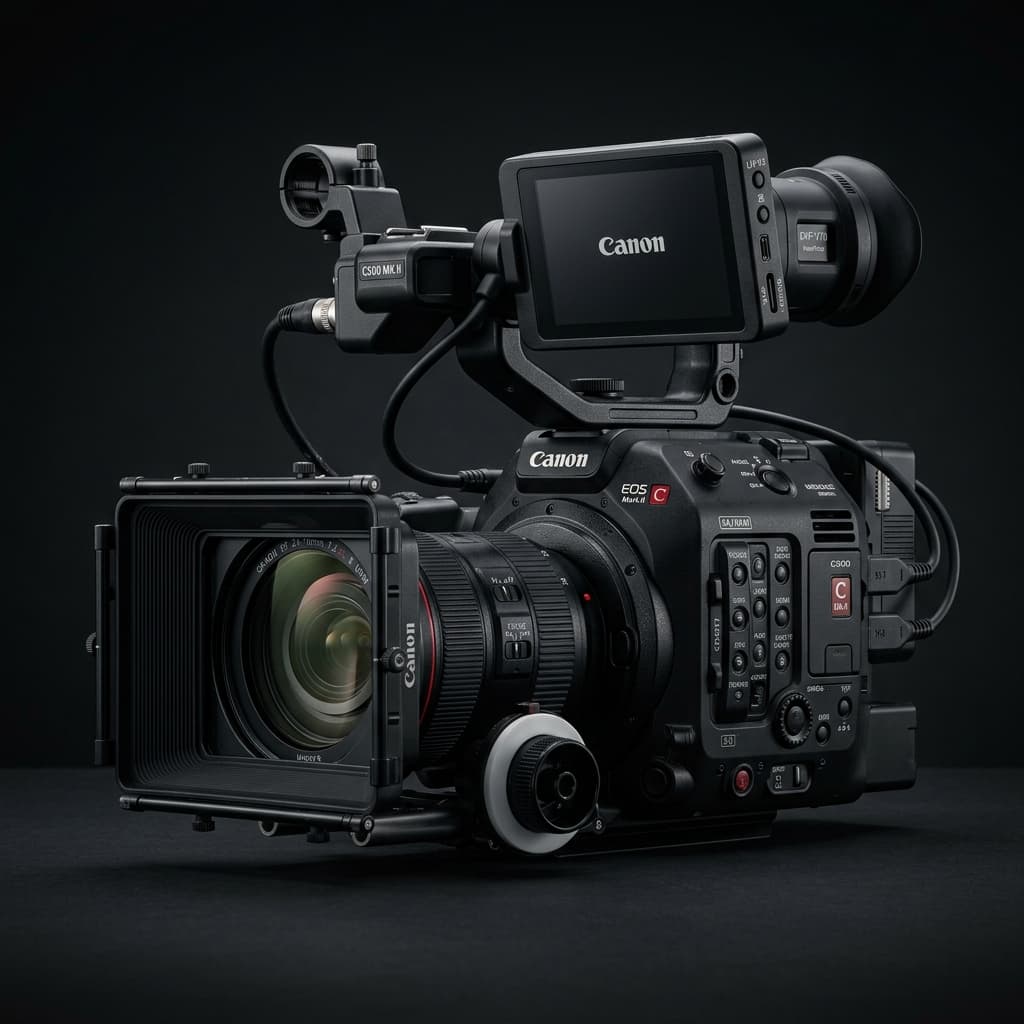
Canon
Cinema Camera
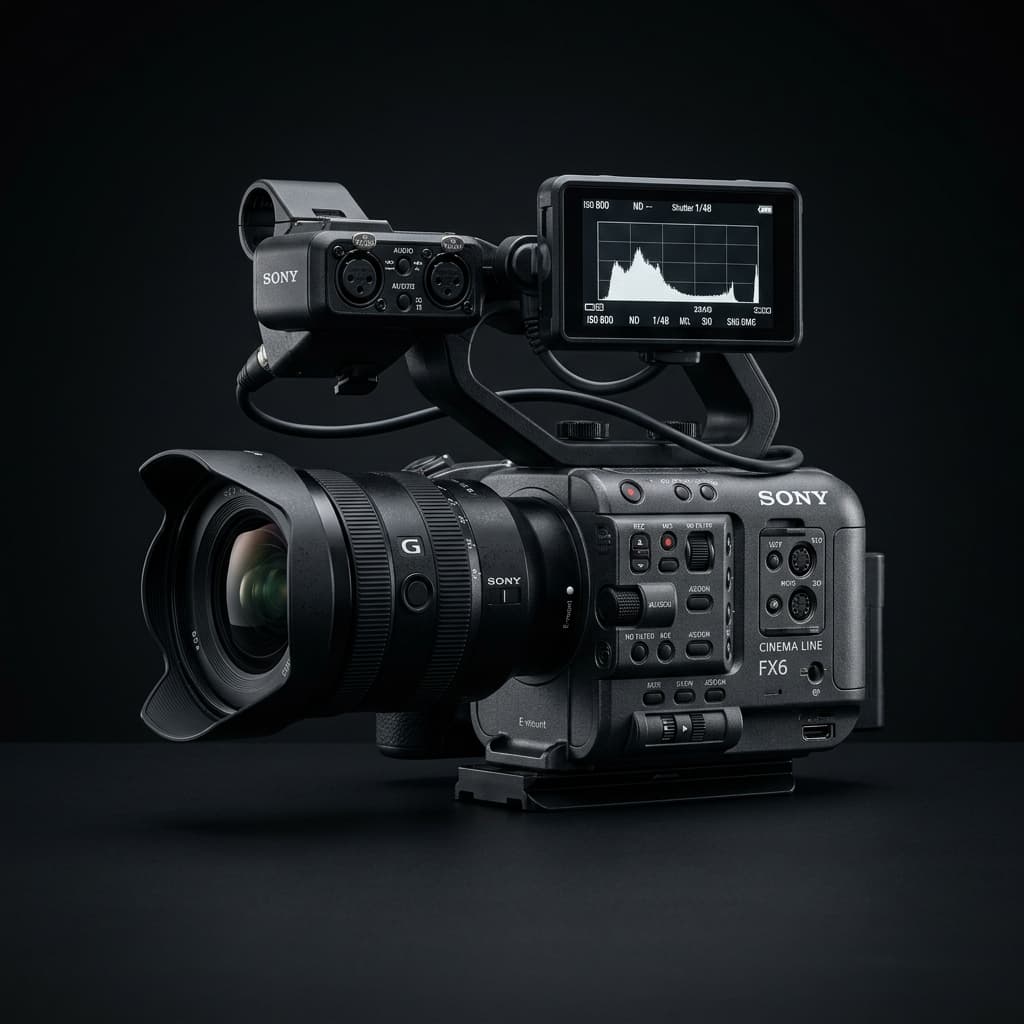
Sony
Cinema Camera
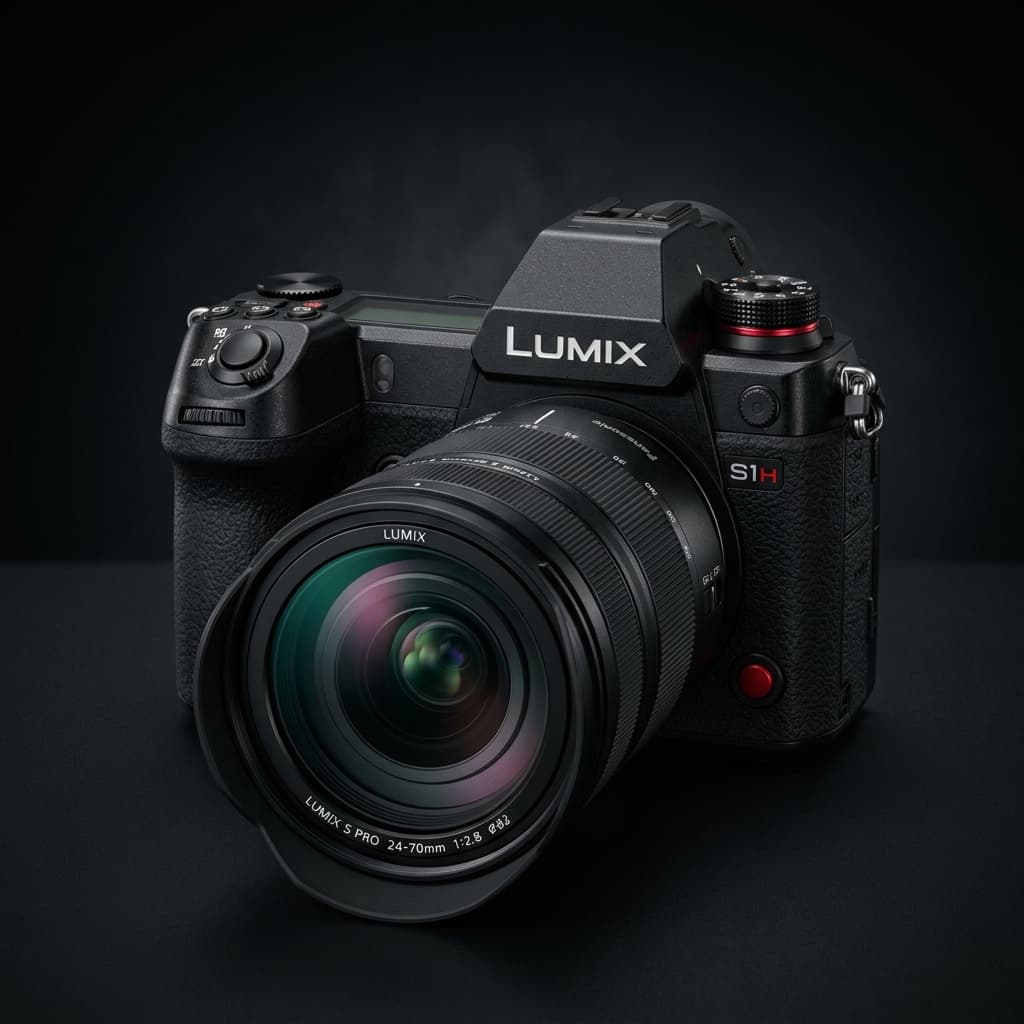
Panasonic
Cinema Camera
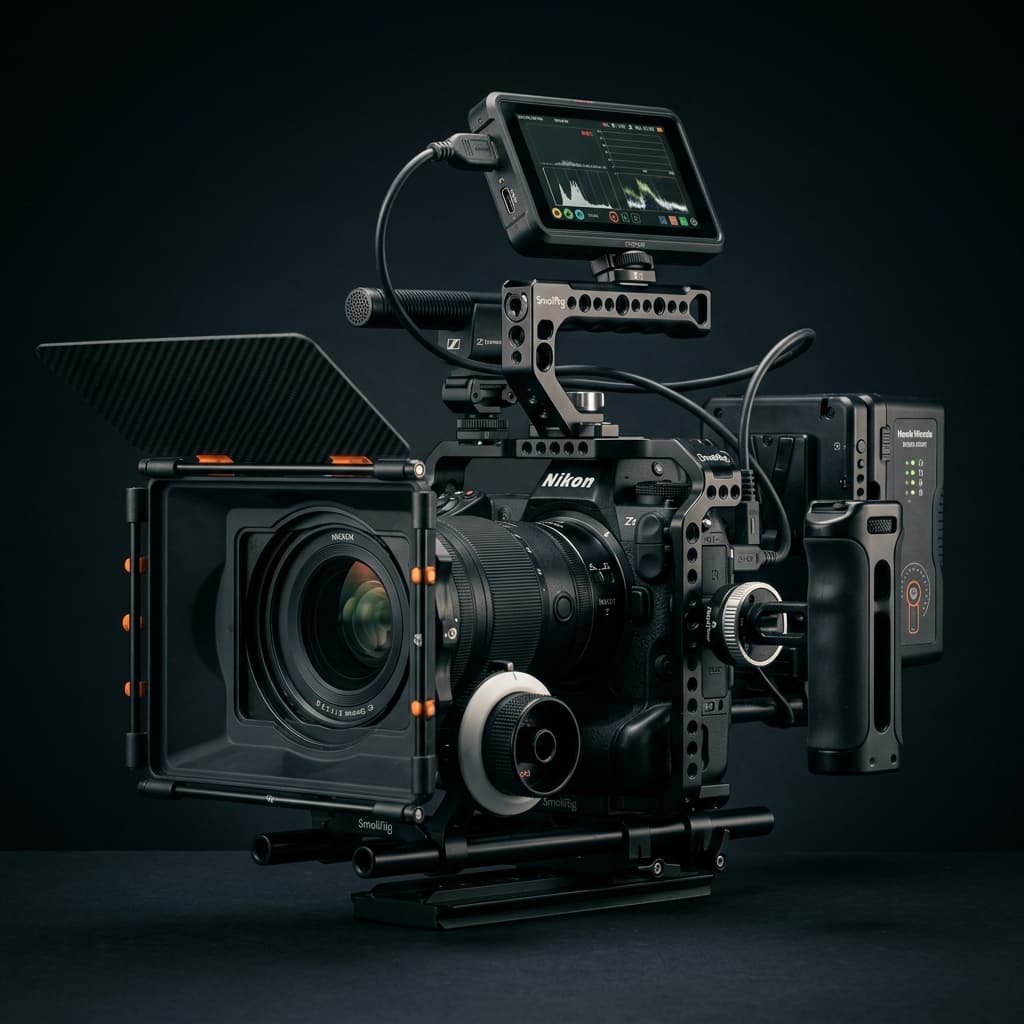
Nikon
Cinema Camera
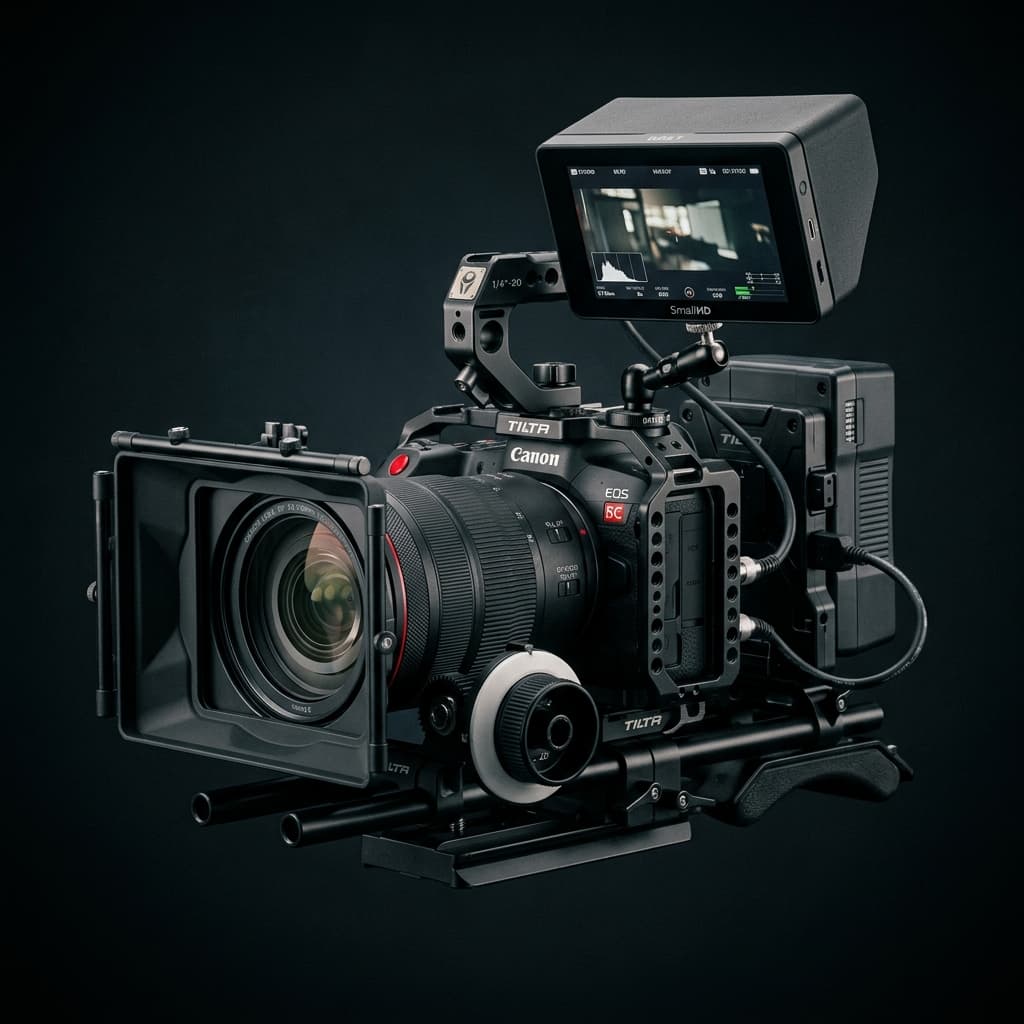
Canon
Cinema Camera
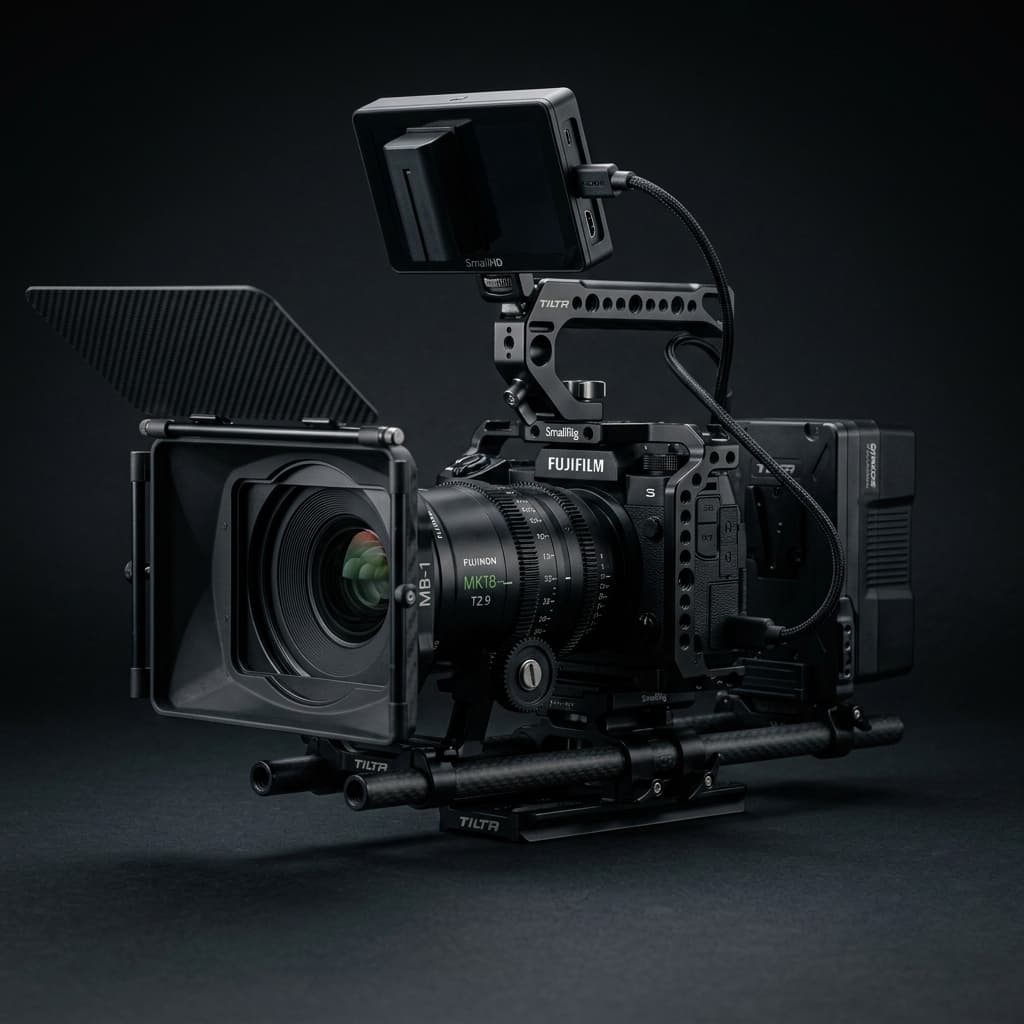
Fujifilm
Cinema Camera
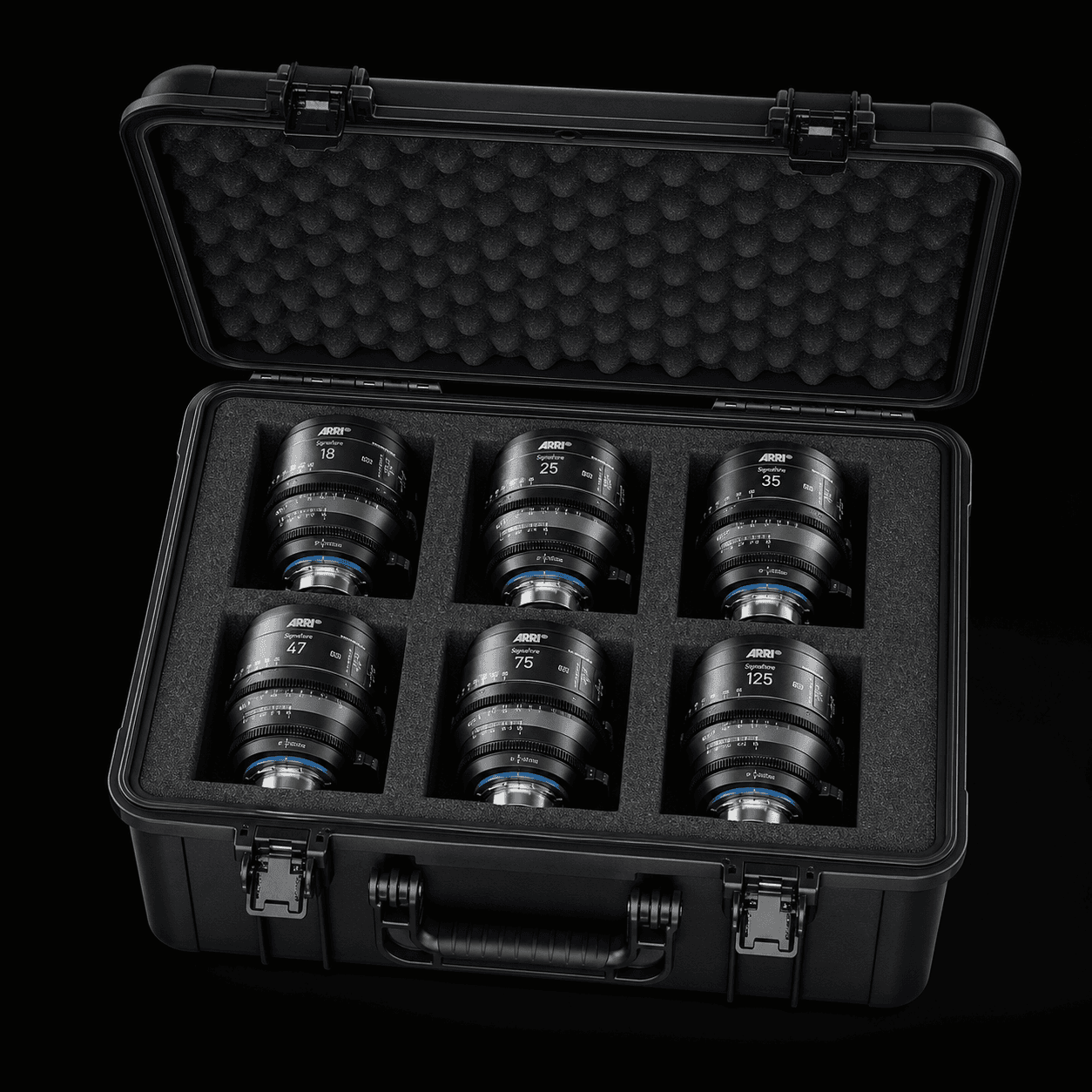
ARRI
Large-Format Cinema Lenses
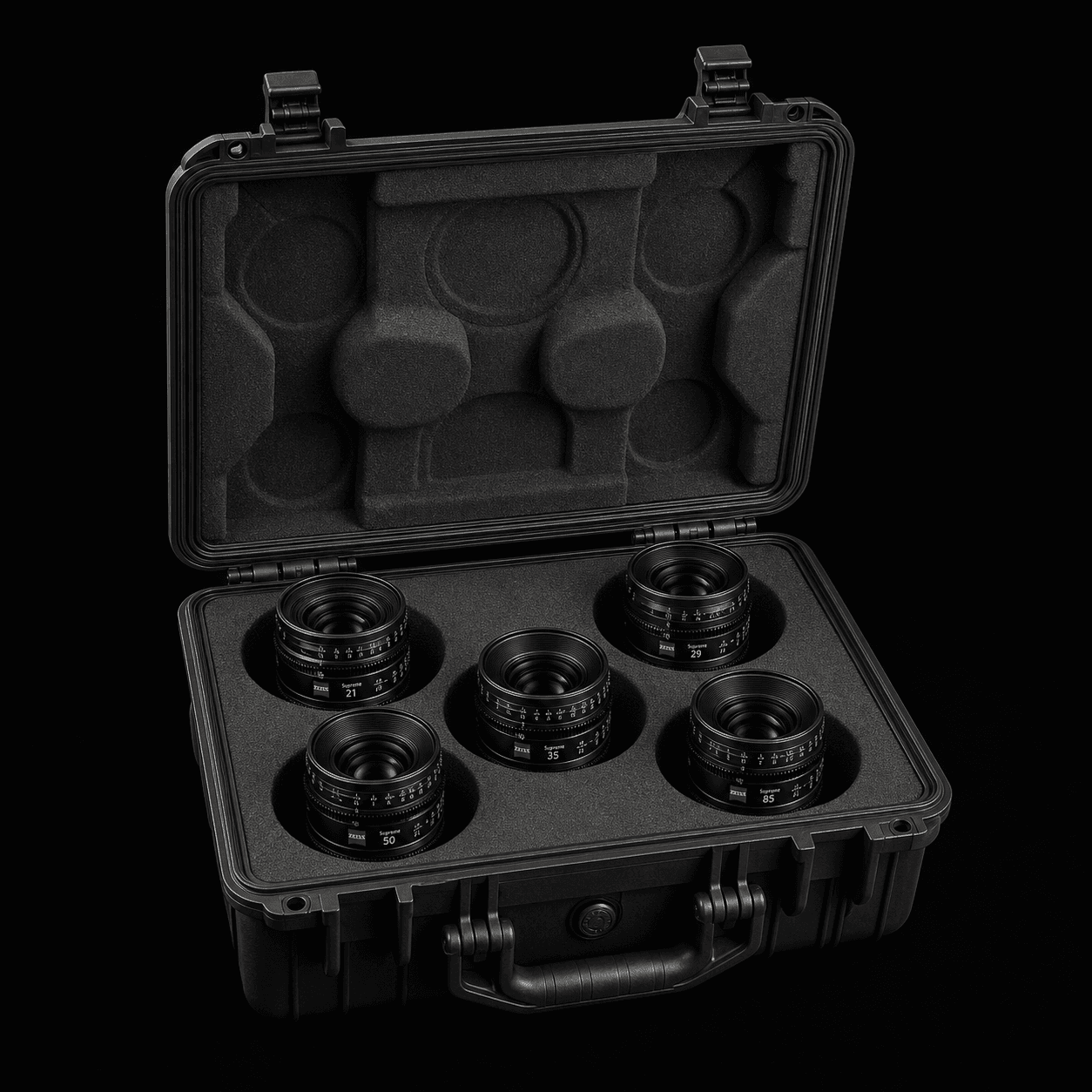
ZEISS
Full-Frame Cinema Lenses
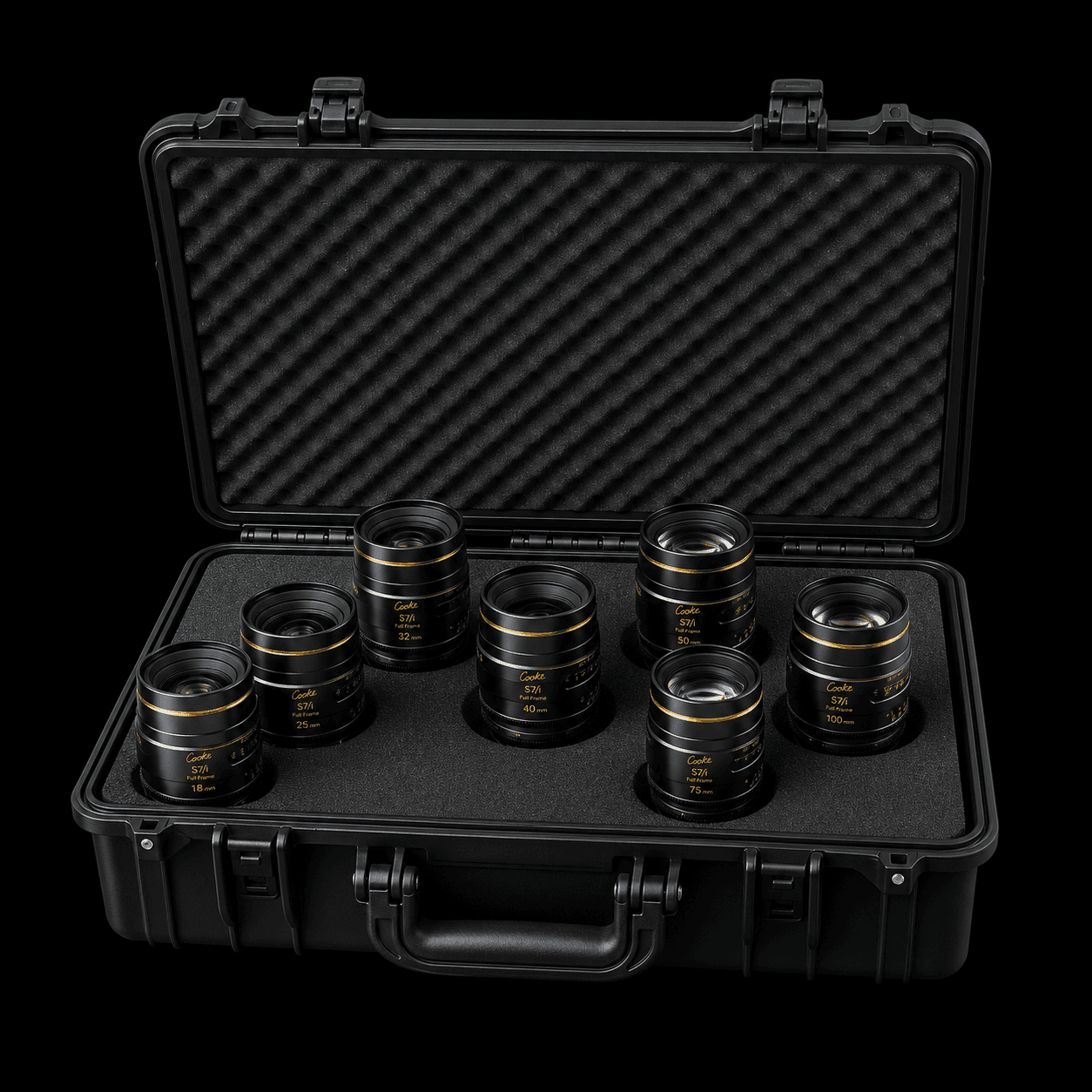
COOKE
Full-Frame Cinema Lenses
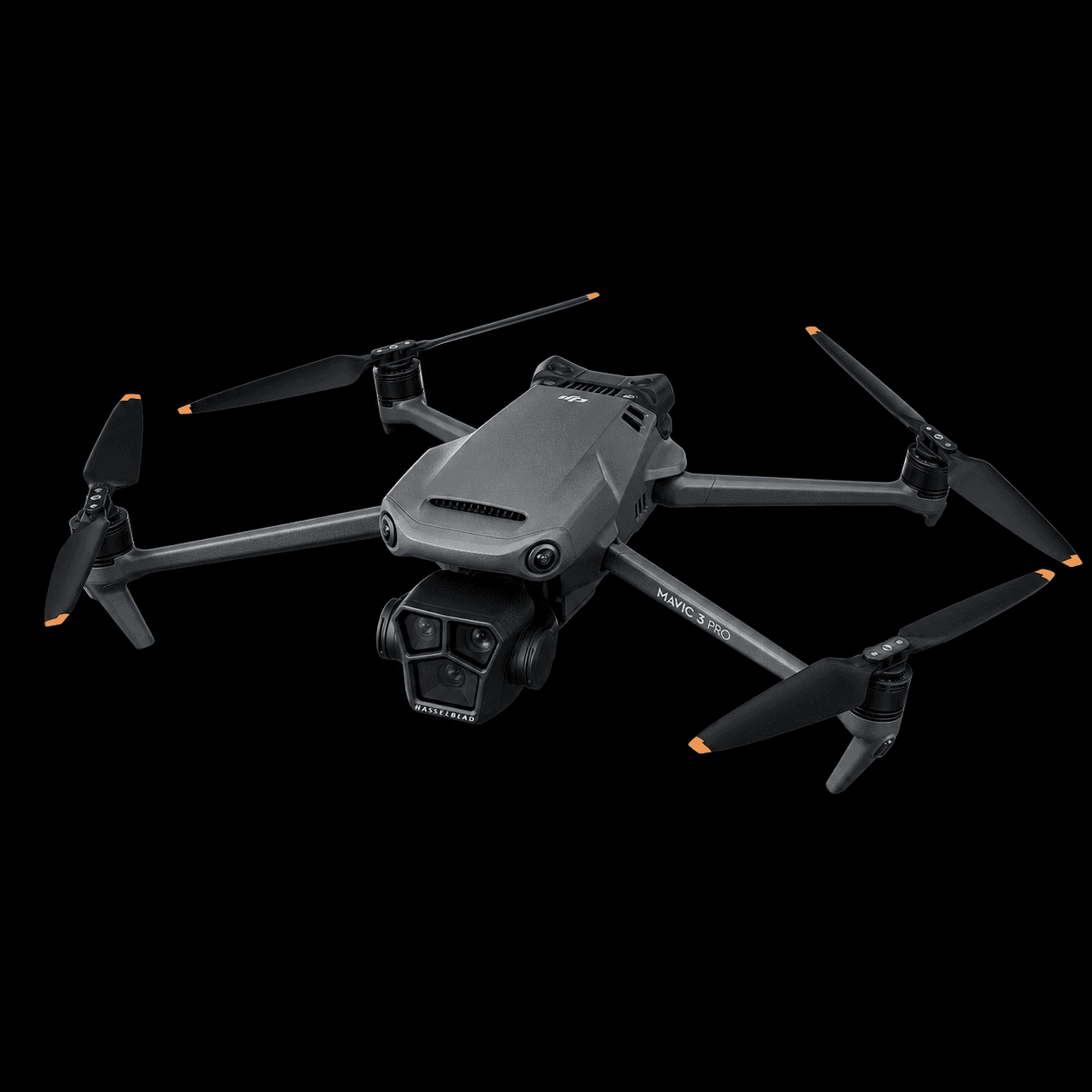
DJI
Triple-Camera Aerial System
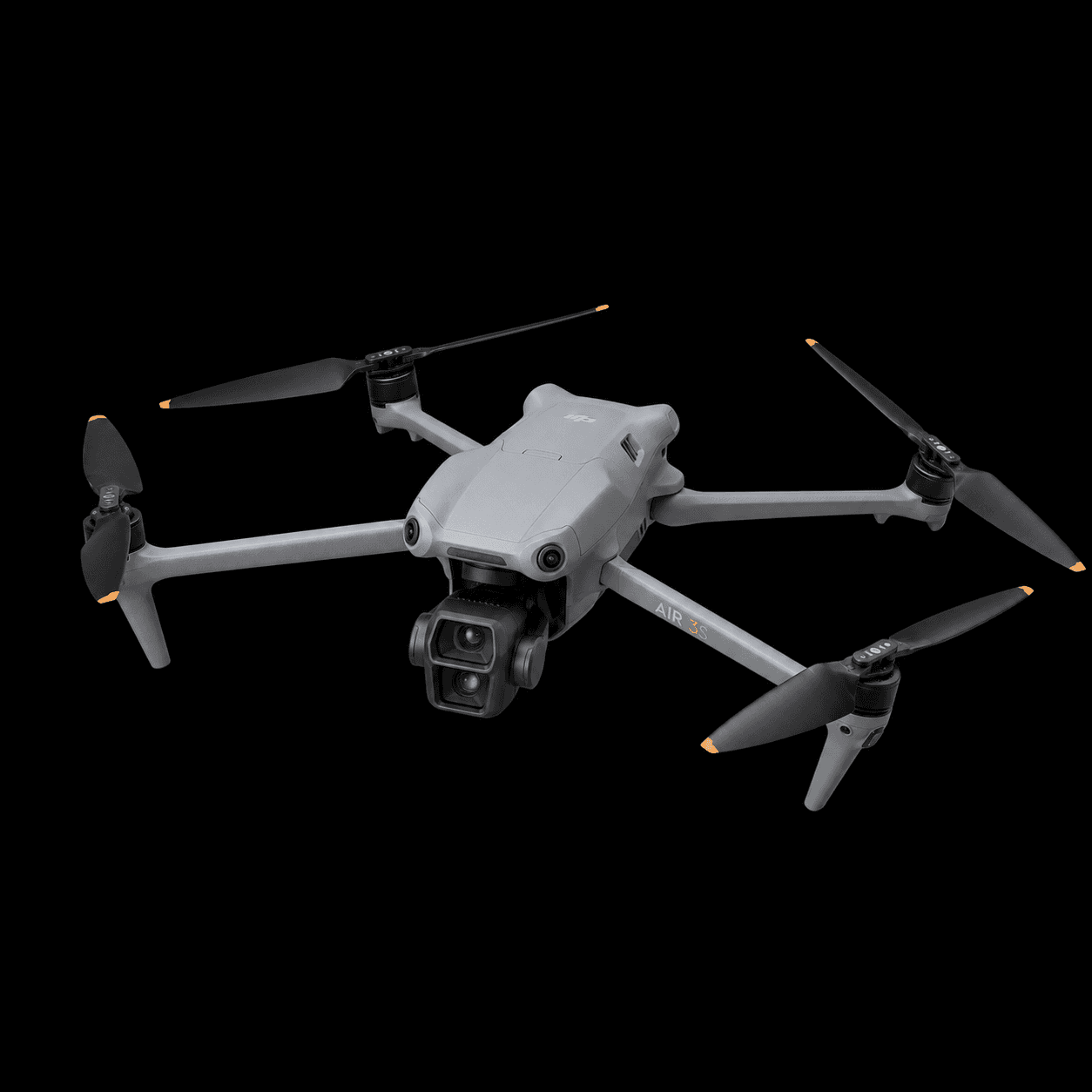
DJI
Dual-Camera Aerial System
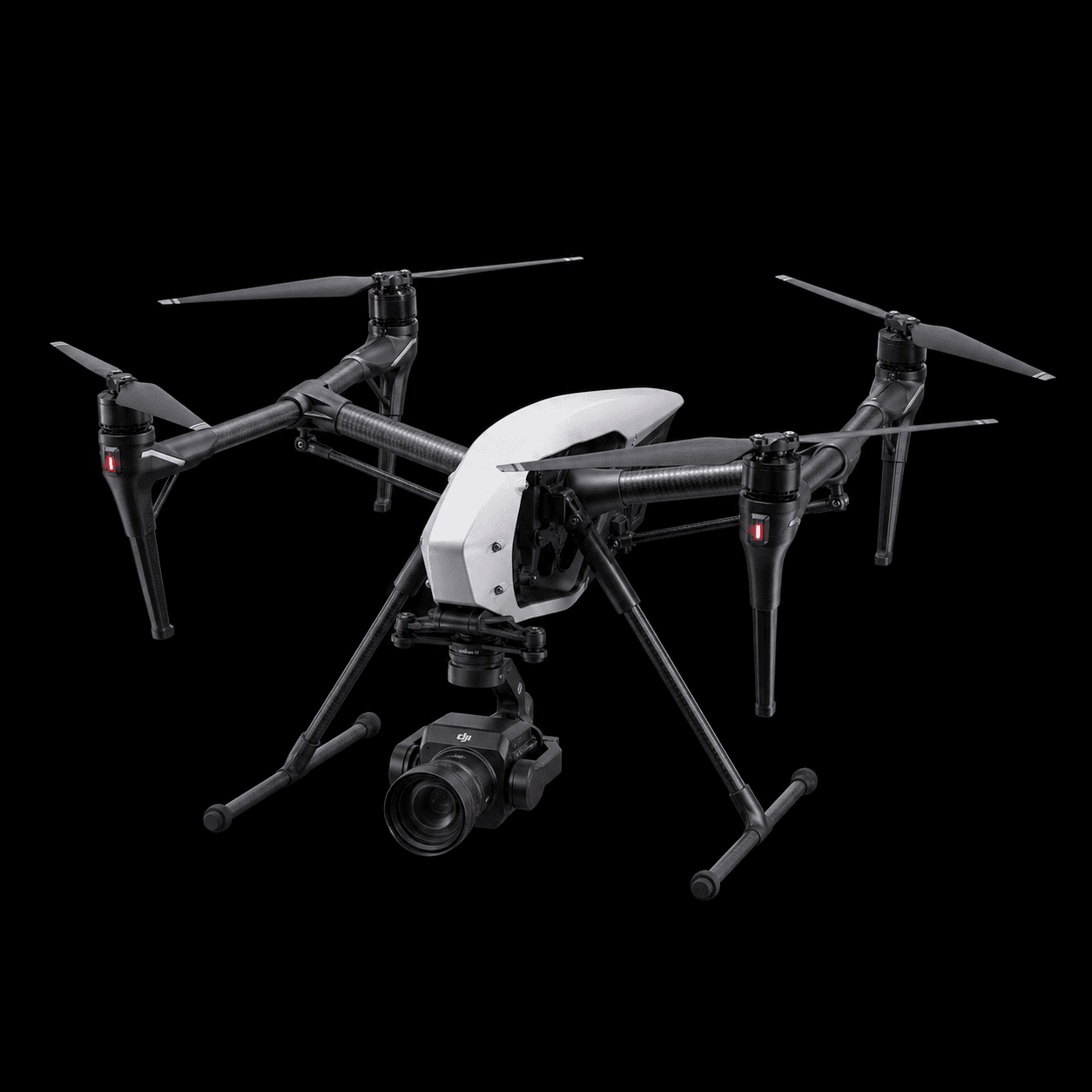
DJI
Full-Frame 8K Cinema Drone
The crew
A shoot day is not one team working sequentially. It is eight departments working at the same time, on the same clock, against a plan they all had a hand in writing.
01
Direction
Creative authorship on the floor: performance, blocking, and the decision about which take is the one.
02
Production
Producers, production managers, and coordinators holding schedule, budget, and logistics.
03
Camera
Cinematographer, operators, focus pullers, and DIT running acquisition and on-set data.
04
Lighting & Grip
Gaffer, electricians, and grips building the light and every rig that moves the camera.
05
Art Department
Production design, set dressing, props, wardrobe, hair, and make-up.
06
Sound
Location recordists and boom operators protecting the take while it still exists.
07
Editorial
Editors and assistants running assembly, structure, versioning, and review.
08
Finishing
Colourists, online editors, sound designers, and mix engineers closing the picture.
How we work
Every one of these exists because the alternative has cost somebody a shoot day, a master, or a client relationship.
Shoot for the edit
Coverage, safeties, and an alternate reading — because the cut always asks for something the board did not promise.
Two copies before wrap
Nothing leaves a location on a single card. Offload, checksum, and a second drive, verified on the floor.
One document
Schedule, board, and call sheet reconciled into a single source, so no department is working from last week.
Versions are numbered
Structured review with timecoded notes and a decision closing every round, so feedback converges.
Delivered to spec
Every destination's loudness, framing, and codec requirement met on the first submission.
Archive that reopens
Organised project files, masters, and rights documentation that a different editor can pick up in five years.
Broadcast provenance
MBC · Rotana · DMC · CBC
Advertising campaigns produced by Puzzle Media Production have appeared across these channels, reaching audiences in Egypt, Saudi Arabia, and the wider Arab world. We also produced the Saudi television programme Ta’alogi for Rotana Khalijia.
 Conceptual service image
Before you brief us
A single-day commercial typically runs four to six weeks from approved brief to delivered masters: about two weeks of development and pre-production, the shoot itself, then two to three weeks of editorial and finishing. Campaigns with multiple films or talent negotiations extend the front end, not usually the back.
Yes. We have operated across both markets since 2017, including the Saudi television programme Ta'alogi for Rotana Khalijia. Permits, crew, and equipment logistics differ meaningfully between the two, and we plan for that difference during pre-production rather than discovering it on the day.
We do. Editorial, motion graphics, colour, sound design, and final mix are all available independently of our own shoots. We start by reviewing the material and the on-set reports, then tell you honestly what the footage can and cannot be made to do.
Budgets are built by department against the approved board, so you can see where money becomes something visible on screen and where it is being absorbed by logistics. Contingency is stated explicitly rather than hidden inside line items, and any change that moves the figure is raised before it is incurred.
Rights, usage terms, and territories are agreed in writing during development, before casting or licensing commitments are made. On delivery you receive the masters, the deliverable set, and the documentation for every third-party right in the film.
That is the reason the company is structured this way. Production feeds Growth with the content its channels need and Technology with the media its platforms carry — one team, one visual language, no handover between three suppliers who have never met.
Explore the discipline
Creative development, production, post, and delivery around one clear visual idea.
View service 02Longer-form development and execution with narrative and operational continuity.
View service 03Connected campaign production across hero films and supporting assets.
View service 04The Growth capability that carries production output into channel and audience.
View serviceBring the brief at whatever stage it is in. Development is where we are most useful, and it is the cheapest place to change your mind.